I was struck by a letter to the editor in yesterday’s New York Times. Reader David Berman wrote that “journalists have done us a tremendous disservice by often failing to clearly distinguish human behavior from virus behavior and who is responsible for what.” He writes,
There will be no “dreaded winter virus surge.” What there will be is a human holiday travel and festivity surge. The behavior of the virus won’t change the slightest bit. It is the human behavior that will be responsible for the tens of thousands of unnecessary deaths.
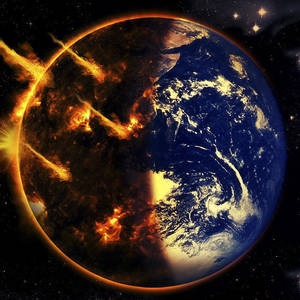
Reading Mr. Berman’s letter led me to imagine a hypothetical analogy to the coronavirus. What if the earth were passing through a months-long meteor storm, and that tiny meteorites were plunging through the atmosphere and killing people all over the planet? Please allow me to imagine that it’s possible to shield yourself from these tiny invaders — by staying indoors, for instance, or by carrying an umbrella-like shield. Those who wander out unprotected risk being struck and killed.
If, in this imaginary scenario, large numbers of people put themselves at risk from time to time — to enjoy especially pleasant weather, perhaps, or to escape the confines of their homes — many more people would die. But there would be no reports of “a deadly surge in meteorite activity.” Instead there would be stories about a surge in the number of people getting themselves killed.
I’m not claiming that this is a perfect analogy. I appreciate the fact that there are those who become sick from Covid-19 through no fault of their own. But this fantasy analogy does underscore Mr. Berman’s point that a spike in coronavirus infections, hospitalizations, and deaths is not a “virus surge.” It reflects a surge in people engaging in risky behaviors, like gathering indoors for the holidays. The virus will be no more infectious over the next two weeks than it was before, but there will almost certainly be many more infections. In the deadly contest between humanity and the coronavirus, only one of those two actors has a choice about how it behaves.
Well stated! I like your analogy.